Know
Reflect on interests, strengths, values and the kinds of questions or experiences that sustain attention.

Guidance, Counselling & Career Readiness
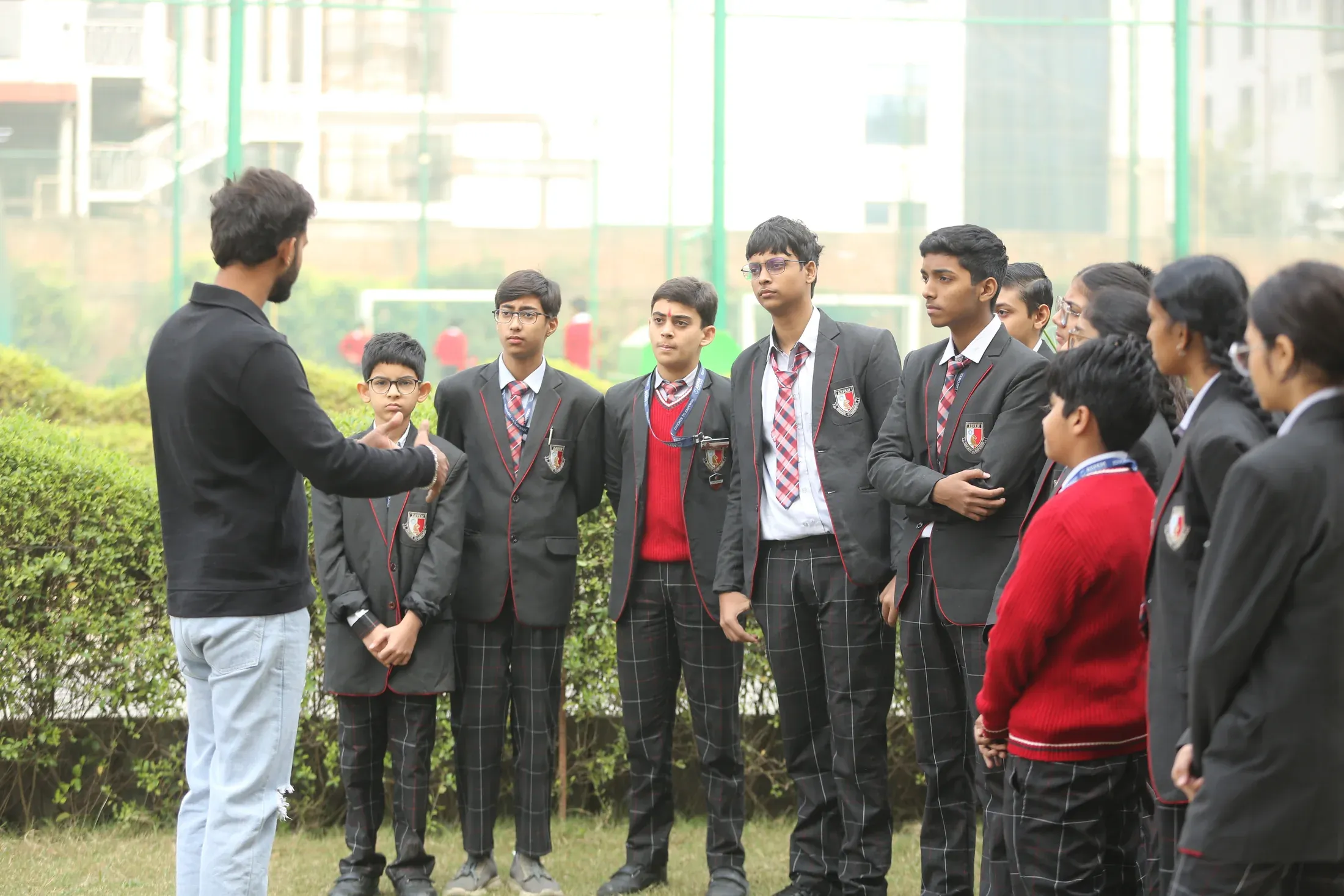
For Grades X–XII, ASPAM describes university and career fairs with the Consortium for International Education (CIE), alongside individual university sessions.
Explore the Guidance JourneyA developing journey
Career readiness is not one decision made at the end of school. It grows through reflection, exploration and informed conversation over time.
As learners move through school, the questions they ask naturally change—from noticing what interests them to understanding subjects, pathways and post-school possibilities.
Guidance is most useful when it respects the learner’s stage, invites thoughtful reflection and keeps families connected to decisions that may shape the next part of the academic journey.
From awareness to action
This progression describes broad educational principles; the form and timing of school support may vary by stage and individual need.
Reflect on interests, strengths, values and the kinds of questions or experiences that sustain attention.
Build awareness of subjects, pathways, careers and post-school possibilities without narrowing choices too early.
Ask questions, compare information and consider decisions with educators, family and appropriate guidance.
Take a considered next step while remaining open to reflection, new information and changing aspirations.
Learning informs direction
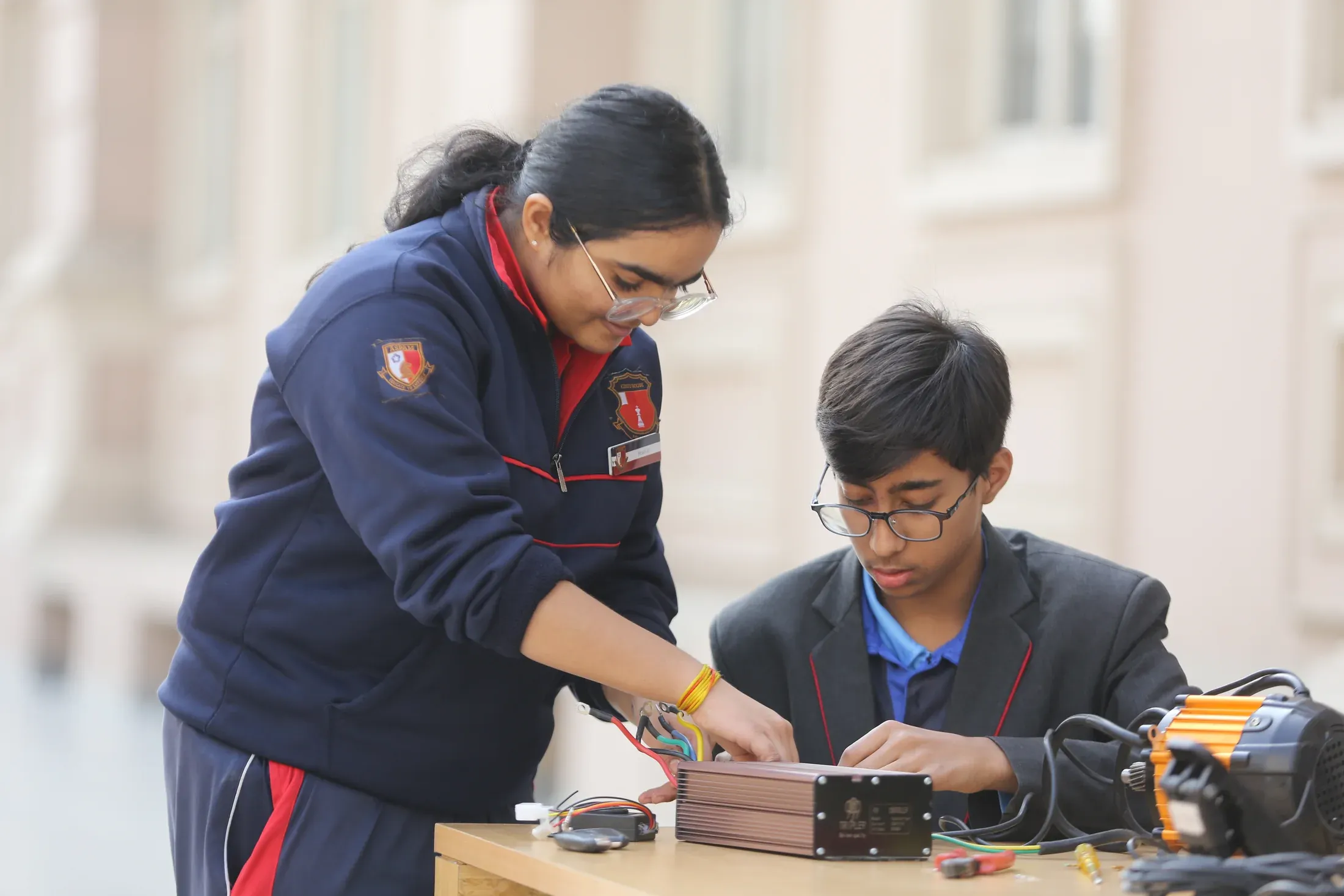
Academic lessons, practical work, projects, presentations and wider participation can help learners recognise what engages them and how they approach challenge.
Which ideas, tasks and contexts consistently invite curiosity or sustained effort?
Skills and interests can be considered alongside subjects, pathways and future areas of exploration.
Trying, reflecting and asking for feedback can make future choices more grounded.
Guidance across the school journey
Support should remain age-appropriate. Early awareness can broaden perspective; later conversations can place greater attention on academic choices, pathways and readiness beyond school.
Learners can begin to recognise preferences, capabilities and the value of different kinds of work and contribution.
As choices become more relevant, learners benefit from accurate information and space to compare possibilities.
For Grades X–XII, the school describes university and career fairs and individual university sessions covering courses, admissions processes and possible pathways.
A shared conversation
A thoughtful decision considers more than a single subject, trend or result. Learners need opportunities to test assumptions, understand alternatives and explain the reasoning behind a choice.
Interests, strengths, values and preferred ways of learning.
Subject expectations, pathways, requirements and possible next steps.
The learner, family and appropriate school guidance.
Research, discussion, experience or a considered decision.
Continue exploring
Plan the next conversation
Contact the school for current information about stage-specific guidance, academic pathways and admissions.