Conceptual Understanding
Seeing how ideas work and connect, rather than relying on recall alone.


NCF & NEP Approach
NEP 2020 and the National Curriculum Framework describe a broad movement towards deeper understanding, purposeful application and the holistic development of every learner.
The bigger picture
The national direction places greater emphasis on understanding ideas, learning how to learn and using knowledge with purpose—not memorisation alone.
For parents, this offers a useful way to think about learning: knowledge remains essential, while questions, connections, practice and reflection help make that knowledge meaningful.
What this means for learning
These are broad directions within national education policy and curriculum thinking.
Seeing how ideas work and connect, rather than relying on recall alone.
Using knowledge, skills and judgement in purposeful contexts.
Learning through thoughtful activity, observation, exploration and reflection.
Supporting intellectual growth alongside character, wellbeing, creativity and participation.
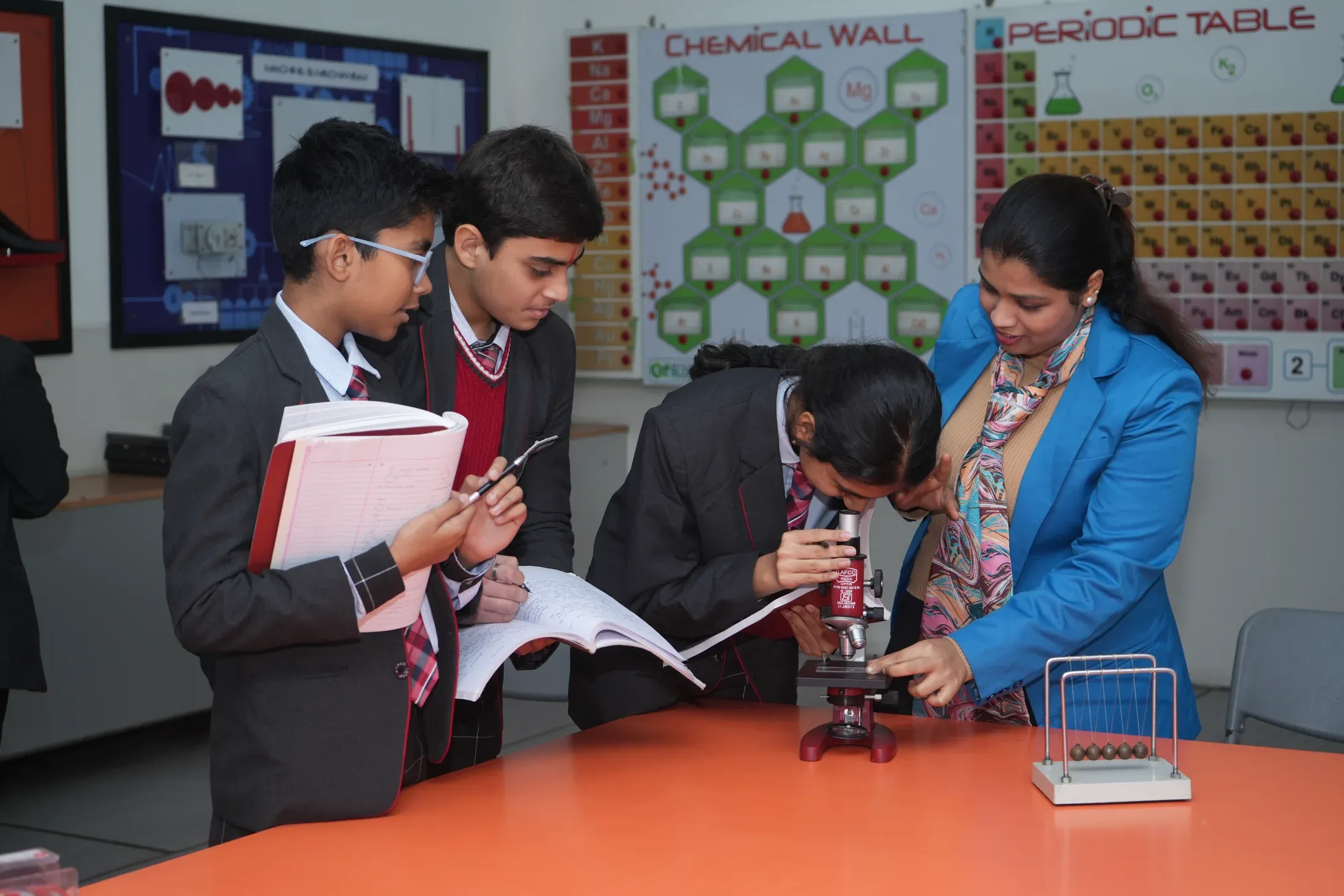
From concept to capability
Application gives students opportunities to test an idea, notice what happens, explain their thinking and refine their response. This is the bridge between knowing something and being able to work with it.
The learner’s role
The educator’s role
An educator can explain clearly, frame useful questions, guide exploration and provide feedback that helps a learner take the next step.
A simple progression
A clear way for families to picture the journey from early knowledge towards thoughtful participation.
Connection to ASPAM
These national directions provide context for ASPAM’s educational philosophy and the learning journeys described on this site. They do not mean every policy provision is currently in place at the school. Families can ask ASPAM about current practice.
Continue the conversation
Explore the academic journey or arrange a campus visit with the school.